
At Skin Experts, our Hair Restoration treatments combine advanced medical technology with expert care to naturally restore your hair density — delivering healthy regrowth, renewed confidence, and long-lasting results.
Signature Treatment
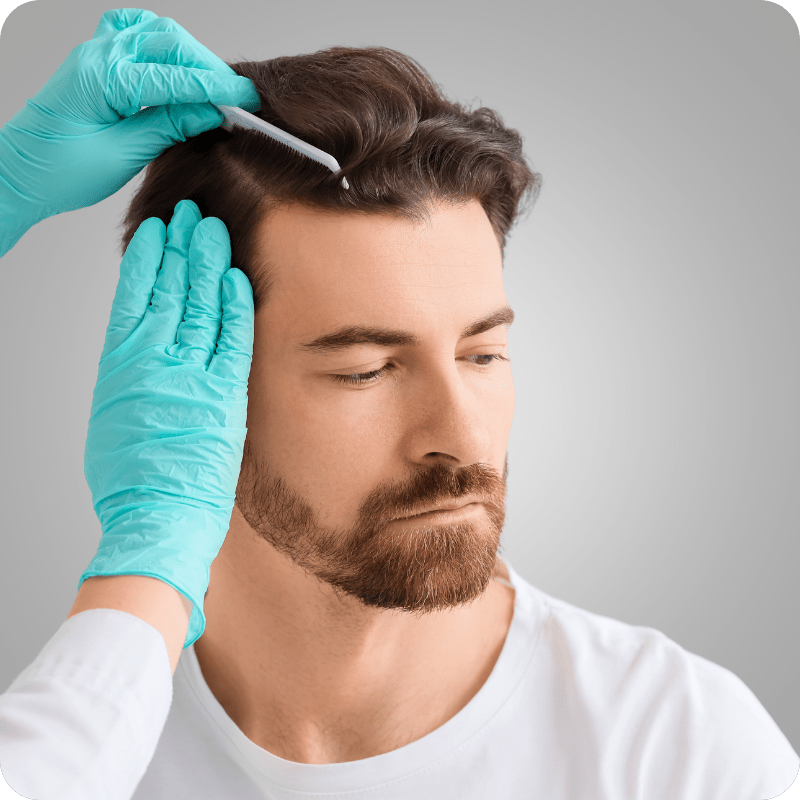
Hair loss is a common concern among men in the Middle East, often caused by genetics, hormones, diet, stress, medications, or skin conditions. The most frequent type, androgenetic alopecia (male pattern baldness), results from hereditary sensitivity to... Read More
Signature Treatment
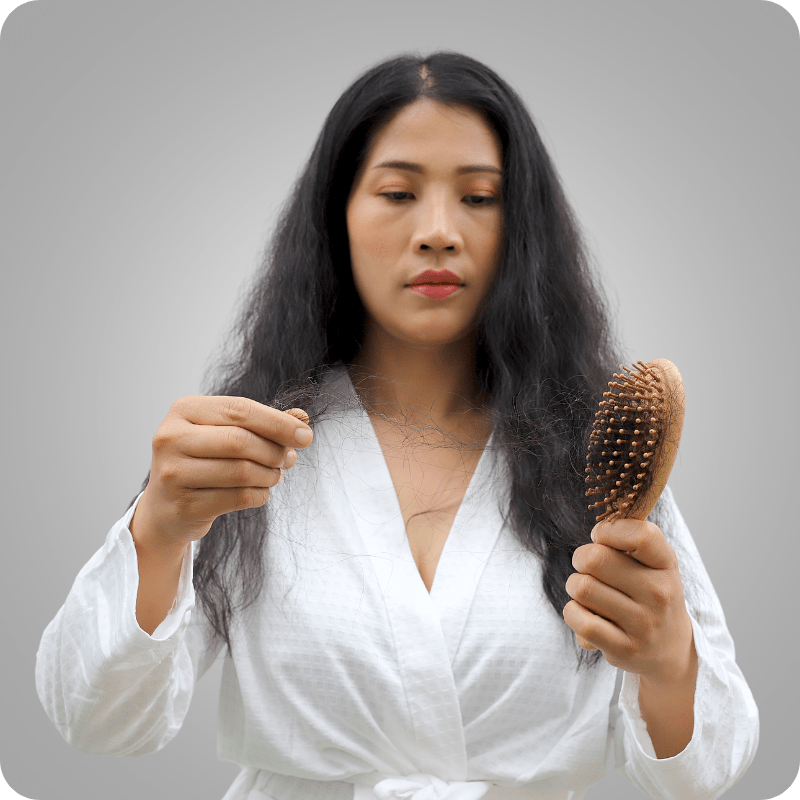
Hair loss and thinning are common concerns among women in the Middle East, often linked to hormonal changes, nutritional deficiencies, stress, and genetics. While shedding up to 100 hairs a day is normal, consistent or excessive hair fall may indicate an underlying issue that... Read More
Signature Treatment
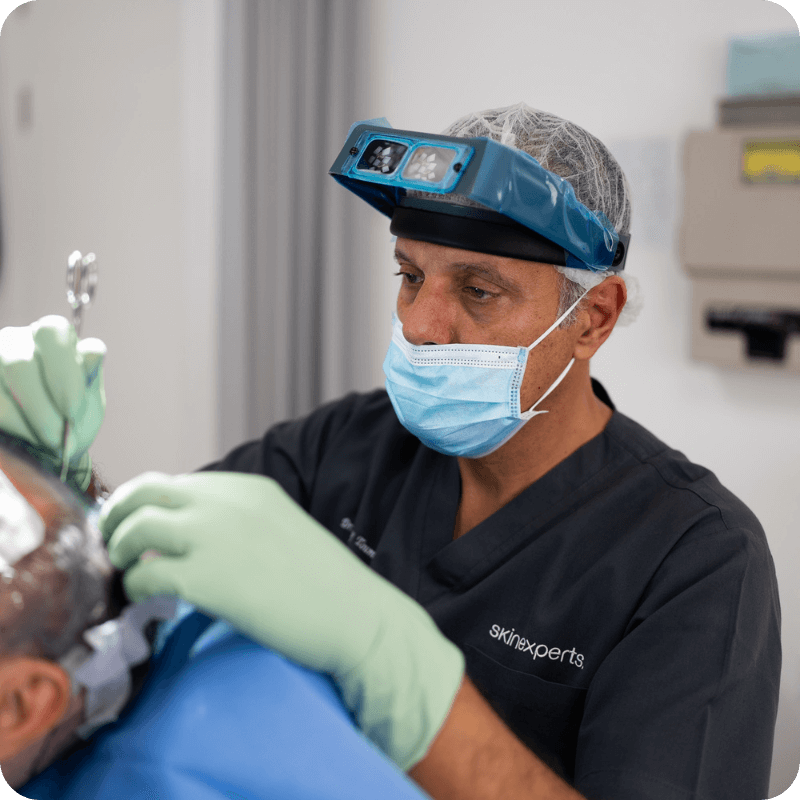
Our long years of experience allow us to diagnose and properly achieve hair restoration in men and women. We recommend targeted treatments, at home and in-clinic to bring back thinned or lost hair. For those with advanced cases, we apply our state-of-the-art hair transplantation procedures. Using precision FUE techniques, we ensure safe, impeccable procedures with quick recovery, gently manage the donor area, and obtain long-lasting impeccably natural results. We are... Read More
Signature Treatment
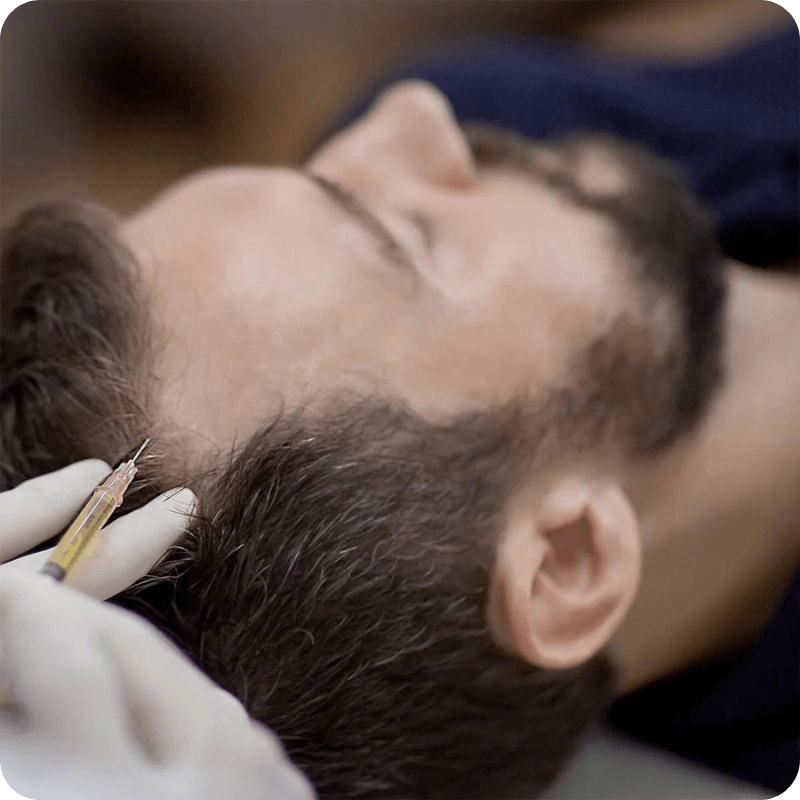
At Skin Experts Polyclinic, we bring you the latest in regenerative aesthetic medicine—treatments that harness your body’s own healing mechanisms to restore, rejuvenate, and protect your skin and ... Read More
At Skin Experts Polyclinic, nothing speaks louder than the confidence and satisfaction of our patients. Here are their words on the care and results they’ve received.
Dr Dany is the absolute best! He is a master at creating a fresh, natural look that makes you look and feel like your best self. Wonderful experience you’ll be in great hands under his care. For well over 10 years and Dr Dany’s work will always be my favourite; So natural every time, enhancing rather than changing my features.

Thank you for always understanding who I am, what matters to me and taking care of my skin! You are a true artist Dr. Touma and I am honored to call you my dermatologist and my friend. For well over 10 years and Dr Dany’s work will always be my favourite; So natural every time, enhancing rather than changing my features.
Dr. Touma demonstrated a deep level of expertise and professionalism that instilled confidence in me as a patient providing clear explanations for the treatment options available to me.
I am so happy with the result of the work we did between the botox and the genius, my face feels so much more rejuvenated without major changes.
My appointment with Dr. Dany was a pleasure as always. He is very professional, quick and very precise. I am extremely satisfied with my results. Thank you as always.
"It is thanks to you Dr Touma I still look as young as ever. I'm very happy to have undergone the hair transplant procedure with you and your team. I'm amazed by the result!
Dear Dr. Dany I wanted to thank you again for the wonderful care that you have provided me with since I had the misfortune of this sore on my lip. You have been truly amazing and kept me calm when my nerves were getting the best of me!
I had my hair transplant 12 days ago , i want to really thank dr touma and his professional staff they were amazing and kind , in a word i felt like being at home , and i feel that i should tell that i had a hair transplant five years ago at another center but it was really bad experience with bad results , thank you dr touma and wish i know you befor
A hair transplant is a minimally invasive surgical procedure that relocates healthy hair follicles from a donor area (usually the back or sides of the scalp or the beard) to areas affected by thinning or hair loss. It is a natural, long term solution for restoring hair density in both men and women.
Ideal candidates include individuals who:
• Have androgenic alopecia hair loss (male or female), or hair loss caused by certain diseases of the skin.
• Have sufficient donor hair
• Are in good general health
A consultation helps determine whether a transplant is the right option.
Two common methods are used:
• FUE (Follicular Unit Extraction): Individual follicles are harvested and transplanted.
• FUT (Follicular Unit Transplantation): A strip of scalp is removed and dissected into grafts, is rarely used
our surgeon will recommend the technique best suited to your hair type, goals, and donor availability.
Local anesthesia is used to numb the scalp, so patients remain comfortable throughout the procedure. Mild soreness afterward is normal and temporary.
Depending on the number of grafts, the procedure may take several hours. The average is 5-6 hours
Initial growth typically begins within 3–4 months. Full results develop gradually over 9–12 months as the transplanted hair thickens and matures.
Yes. Modern techniques allow for natural looking hairlines and density. Transplanted hair grows like your own and can be cut, styled, and washed normally.
Transplanted follicles are generally resistant to the conditions that cause pattern hair loss, making the results long lasting. However, ongoing natural hair thinning may continue in untreated areas, and will need to be treated.
Absolutely. Women with female pattern hair loss, thinning along the part line, or hair loss after cosmetic procedures or trauma can benefit from transplantation. Shaving the scalp is not done in women.
Most patients experience mild swelling or redness for a few days. Tiny scabs form around the grafts and fall off naturally. Our surgeon will provide aftercare instructions to support healing.
Depending on the cause of hair loss, options may include medical treatments, PRP therapy, or lifestyle adjustments. A consultation helps determine the most effective approach.
The number of grafts depends on the size of the area being treated, your hair characteristics, and your desired density. This is assessed during your evaluation. Our average is 2200 grafts per case which allows for shorter, safer procedure
Yes. Beard transplantation is a popular option for men who want fuller, more defined facial hair or wish to fill patchy areas.
Men with patchy growth, thin facial hair, or areas affected by scarring often benefit from this procedure.
Absolutely. Eyebrow transplants are common among women who have thinning brows due to over plucking, genetics, aging, or medical conditions.
Hair follicles are carefully selected and implanted to match the natural direction and shape of the brows for a soft, natural look.
Yes. Transplanted hair behaves like natural hair and can be trimmed, shaped, and styled.
The results are long lasting because the transplanted follicles continue to grow hair over time.
Initial growth begins within a few months, with full results appearing gradually over 9–12 months.
Yes. Transplants can enhance sideburns, mustaches, or areas affected by injury or previous surgery.
Recovery is usually quick. Mild redness or tiny scabs may appear for a few days, depending on the area treated.
Your surgeon selects donor follicles that closely match your natural texture and density to ensure a seamless result.
Dr Touma and his team at skinexperts polyclinic in Dubai combine surgical expertise and elegant transplantation planning, so patient, male and female can obtain full hair restoration, safety is a priority as well as preservation of the donor area, so no deletion occurs, dr Touma and his colleagues also emphasis medical maintenance treatment to preserve the hair as long as possible.
 +971 54 505 3003
  info@skinexperts.ae
  Jumeirah 2, Dubai, UAE